
4,100 uni students are learning Korean. Here's how to sit through it.
AHA Digital Marketing on behalf of SIHOO Australia

- More than 4,100 students are enrolled in Korean studies units at Australian universities in 2026, with most coming from non-Korean backgrounds, amid debate over whether Korean should be added to the national priority language list.
- Korean learning is growing across schools and adult programmes, with over 9,500 students in 68 schools in Sydney, and beginner classes at the Korean Cultural Centre booking out within around ten minutes of opening at midnight.
- Korean ranks sixth globally on Duolingo's 2025 Language Report, with researchers noting that whilst Korean popular culture has boosted interest, careers and broader cultural curiosity are also significant factors.
- Australian adults are inactive for an average of 11 hours 54 minutes per day whilst awake, and government guidelines recommend breaking up long periods of sitting with movement alongside regular moderate physical activity each week.
- SIDIZ, a Korean ergonomic chair brand founded in 1994, is offering new chairs on pre-sale at sidiz.au, including the T50 2nd Generation with seat height and depth adjustment, with estimated delivery in mid-December 2026.
SOUTH GRANVILLE, NSW, 29 October 2026: More than 4,100 students are enrolled in Korean studies units at Australian universities this year. Most are from non-Korean backgrounds. Professor Jo Elfving-Hwang of Curtin University, president of the Korean Studies Association of Australasia, gave the figure to SBS Korean. SBS News reported it on 25 October, amid debate over whether Korean should be on the national priority language list. Much of that study happens sitting down, on top of a working day.

Korean learning is growing at university, in schools and after work
Professor Elfving-Hwang says the demand is there. “The interest is there. Why not build on it?” she said. Schools tell a similar story. The Korean Education Centre in Sydney reported more than 9,500 students learning Korean in 68 primary and secondary schools in 2024, roughly 1,000 more than a decade earlier.
Adults are signing up too. SBS Korean reported in February 2024 that 430 adults were registered for classes at the Korean Cultural Centre in Sydney as of the first semester of 2024. That is about five times the number when the course launched in 2011. Program manager Joanne Tae told SBS Korean that beginner classes open for registration at midnight and are “usually fully booked within about 10 minutes”.
The interest is not only local. Duolingo's 2025 Language Report ranked Korean sixth among the languages studied on its app worldwide, ahead of Italian.
Pop culture plays a part. Dr Nicola Fraschini of the University of Melbourne wrote for Asialink in 2023 that the worldwide spread of Korean popular culture has boosted interest. The article adds that it would be “simplistic and reductive” to consider it the only reason. Careers and a wider interest in other cultures matter too.
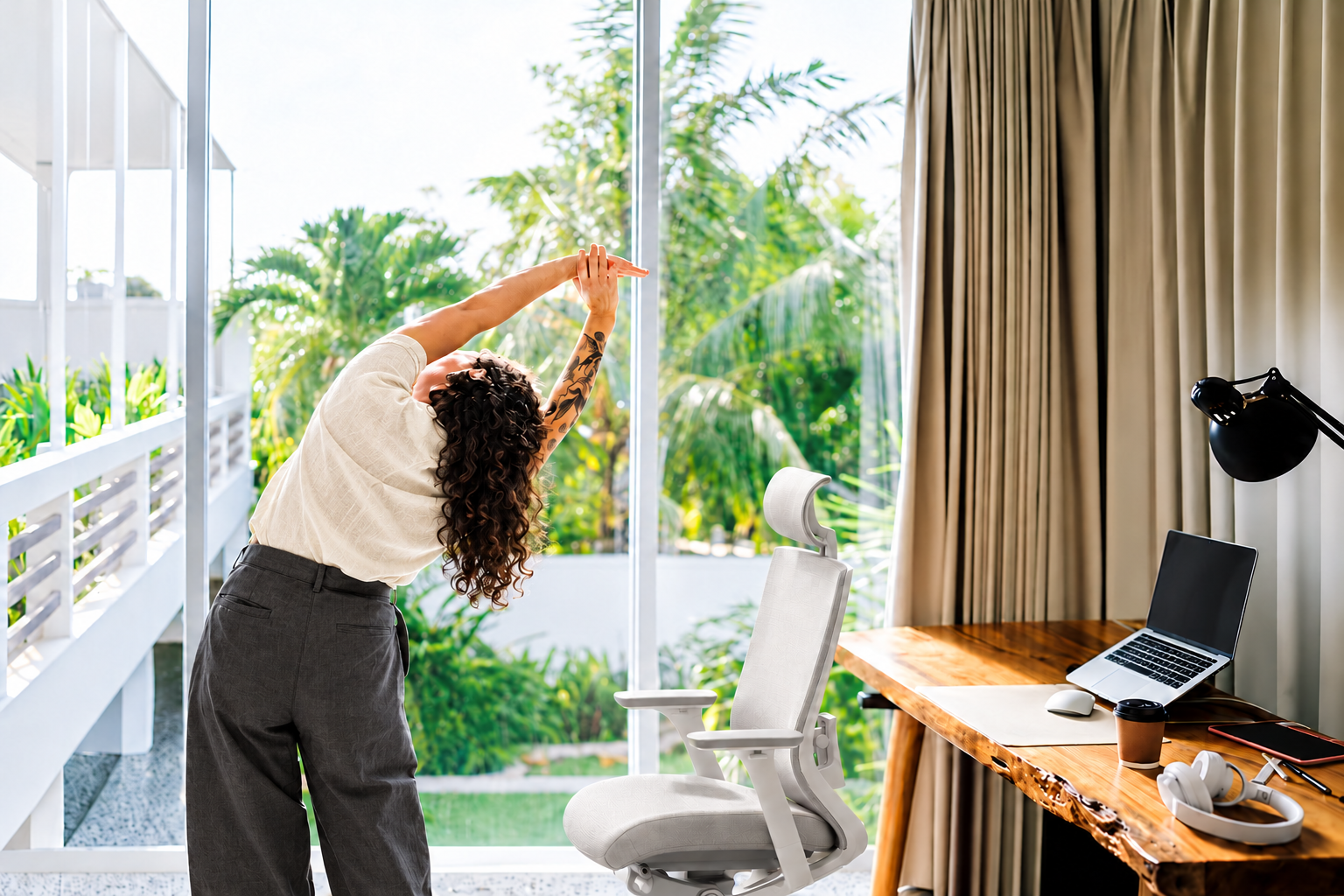
Adults are inactive almost 12 hours a day. Guidelines say to break it up
Learning Korean is a seated activity. The Australian Bureau of Statistics reported in March 2026, using 2023 survey data, that adults were inactive for an average of 11 hours 54 minutes a day while awake. The estimates come from accelerometers worn on the wrist by volunteers. Inactivity is time not spent in light, moderate or vigorous activity, so it covers more than sitting.
The Australian Government's physical activity guidelines say long periods of sitting can offset the benefits of being active. They advise breaking up long stretches with movement, alongside 2.5 to 5 hours of moderate activity a week.
The University of Technology Sydney's workstation setup page shows how to sit for a study session. Sit right back in the seat. Set the chair height so the feet are flat on the floor or on a footrest. Leave between two and four fingers behind the knee. Between sessions, stand up and move. None of it costs anything.
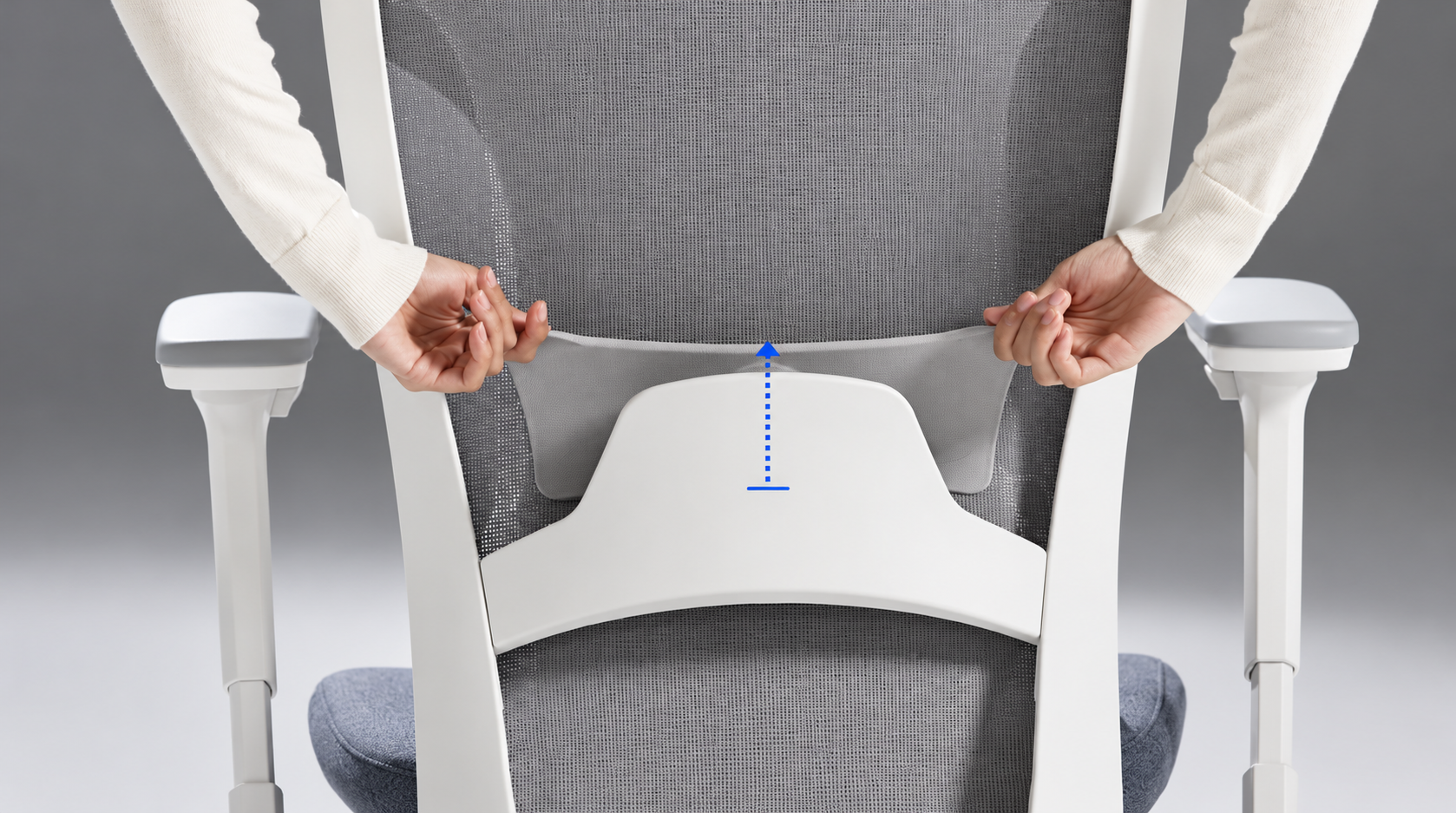
Where a chair comes in
Two of those checks depend on how a chair adjusts. Seat height sets where the feet land, and seat depth sets the gap behind the knee. A chair that adjusts both makes those checks easier to hold through a long session.
SIDIZ is a Korean ergonomic chair brand founded in 1994. Its history page says the company was established with a focus on specialised seating and set up a chair research institute in 1998. SIDIZ Australia sells premium ergonomic office chairs for adults and children, including chairs sized for school-age students.
"Learning Korean is a good reason to sit down for an hour, and a good reason to check how you sit," said Alex Han, owner of CDS Australia. "Feet flat, back supported, and up on your feet between sessions. A chair helps with the first two. The third is up to you."
The checks above are general workstation guidance, not medical advice. Anyone with ongoing back or neck pain should see a doctor.
New SIDIZ chairs are now on pre-sale at sidiz.au, including the T50 2nd Generation ergonomic office chair, which lists seat height and seat depth adjustment. Estimated delivery is mid-December 2026.
About us:
About SIDIZ Australia
SIDIZ is a Korean ergonomic chair brand founded in 1994. SIDIZ Australia sells its range through sidiz.au and is based at 11 Ferndell Street, South Granville NSW 2142.
About AHA Digital Marketing
AHA Digital Marketing is a full-service digital marketing agency that helps brands grow through SEO, content, PR and integrated campaigns. AHA is seeding this release on behalf of SIDIZ Australia.
Contact details:
Ernest Yap
AHA Digital Marketing
On behalf of SIDIZ Australia
Email: [email protected]

- Images
-
Download
the evening study session.png
A woman studying korean late at night using SIDIZ chair -
Download
The online class.png
A man in his thirties wearing headphones at a spare room desk, seated in a SIDIZ T20 Ergonomic Office Chair -
Download
Up between sessions.png
A person standing and stretching beside their desk in a Sydney home office during a study break, a SIDIZ T50 2nd Generation ergonomic office chair -
Download
Detail - the lumbar pad.png
A hand adjusting the lumbar pad on the backrest of a SIDIZ T50 2nd Generation ergonomic office chair.


