
Global wildlife populations drop by 73%
WWF-Australia

Aussie penguins & rainforest possums contribute to decline
Despite the biodiversity loss, scientists reveal grounds for hope
Stills of Australian species and scientists are available HERE
B-roll and other images are available HERE.
There has been a stark 73% decline in the average size of monitored wildlife populations over a 52-year period, according to WWF’s Living Planet Report (LPR) 2026.
That figure is from the Living Planet Index (LPI), produced by ZSL (Zoological Society of London), which includes 35,803 population trends of 5,790 vertebrate species from 1970 to 2022.
In Australia, steep falls in gentoo penguin numbers on Macquarie Island, and lemuroid ringtail possums and green ringtail possums in the Wet Tropics, contributed to that global decline statistic.
Habitat loss and degradation, overexploitation, climate change, pollution, invasive species, and disease are causing the decline in monitored wildlife populations. These threats are driven by broader systemic failures across the food, energy, and finance systems.
Yet half of the populations included in the LPI are stable (7%) or increasing (43%). It is the magnitude of the downward trends that results in an average decline of 73%.
However, the successes in the LPI provide hope. The report highlights recoveries in populations of bluefin tuna, tigers and southern African elephants which demonstrate that targeted conservation interventions can deliver results.
Dermot O’Gorman, CEO of the World Wide Fund for Nature Australia, joined WWF in London just months before the first Living Planet Report was launched in 1998. He has a unique perspective having been at WWF through the release of all 16 editions of the LPR while working in Europe, the Pacific, China and Australia.
Mr O’Gorman said: “Nature is under immense pressure. But there are also powerful reminders that the natural world can bounce back. About 20 years ago tigers were on the brink of 'ecological extinction'. Now the decline in numbers has been reversed.
“When we launched the first Living Planet Report in 1998, the biggest drivers of nature loss were the food, energy and finance systems that underpin our economies. Each subsequent LPR shows that when the world became fearful about food and energy security in the 1970s, we responded with a scarcity mindset. We extracted more, subsidised industrialised production and used fear to push nature harder. Decades later, nature is still paying the price.
“The lesson for our generation is clear. We cannot solve today's challenges with the same scarcity mindset that helped create them.
“Across 28 years with WWF, I’ve seen that when communities have hope things happen. Hope fuels positivity, problem solving and drives action. With the right steps, wildlife comes back, nature comes back and people thrive.
“Nature is recovering where communities, Indigenous Peoples, governments, and businesses invest in restoration and regeneration.
“This success should give us confidence, that at a time when many people are anxious about the future, the answer is not to retreat into fear. Now is the time to choose hope, ambition and action. We know what is driving nature loss, we know much of what works, and we have today all the solutions at hand to build regenerative food, energy and finance systems that work for both people and nature.
Dr Kirsten Schuijt, Director General of WWF International, said: “Biodiversity continues to be degraded at an alarming pace. Yet amid these steep declines, there are grounds for hope. The Living Planet Report 2026 highlights evidence that many species populations are stable or recovering, alongside inspiring stories that show nature can rebound and change is possible. Recoveries in populations of species like tigers and bluefin tuna show what years of sustained collective conservation effort can achieve.
"To continue and expand these conservation successes, the industries and systems which drive nature loss need to be transformed. Progress is already underway. Not everywhere, and not yet at the scale required, but enough to demonstrate that change is possible. It's time to accelerate the scale of those systemic changes already underway and work together in harmony with nature to build a more sustainable, equitable, and resilient world. Together we can restore our planet."
Species in Australia
Gentoo Penguins
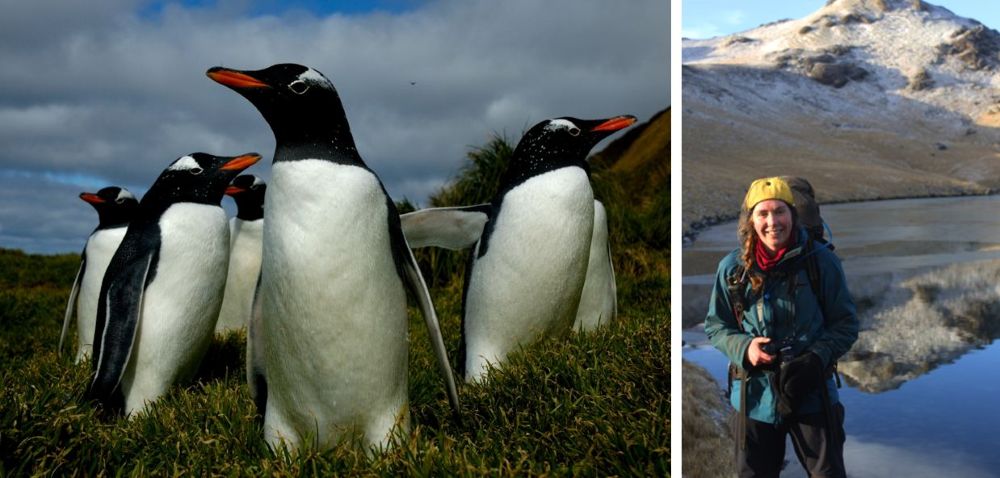
Left: Gentoo penguins on Macquarie Island © Aleks Terauds / WWF-Aus. Right: Dr Penny Pascoe on Macquarie Island © Melanie Wells
Dr Penny Pascoe was at the University of Tasmania when she was lead author on a research paper that found a 50% decline in breeding pairs of gentoo penguins on Macquarie Island over 21 years (1996-2017).
Dr Pascoe said: “Macquarie Island is the only breeding area for gentoo penguins in the Pacific sector of the Southern Ocean, and one of just two breeding sites within Australian territories, the other being Heard Island, so the decline we are seeing on Macquarie is a big concern for the species in this region and for Australia.
The rate of decline has slowed slightly in the years since this study was published which is great to see, but the trend is still negative. We still don’t know the cause, but additional tracking and dietary research is being done to increase our understanding of potential drivers. More still needs to be done however, particularly with the additional threats the population is now facing from the arrival of HPAI.
Population declines on other sub-Antarctic islands have been correlated with local food availability, changes in the locations of ocean fronts and shifts in climate systems. Similar causes may be impacting the Macquarie Island population.”
Rainforest ringtail possums
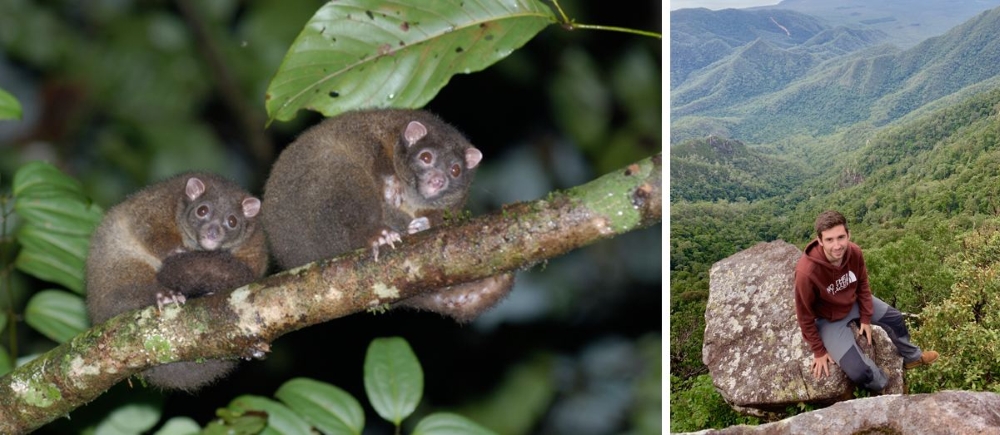
Left: Two lemuroid ringtail possums in Mount Hypipamee National Park © Gary W Wilson Right: Dr Alejandro de la Fuente in Clemant State Forest © Lisa Davenport
Dr Alejandro de la Fuente is an ecologist and was at James Cook University when his 2025 PhD examined climate change impacts on lemuroid ringtail possums and green ringtail possums in Australia's Wet Tropics.
Dr de la Fuente said: “Since the early 1990s, both species have declined by around 60 to 70% across their ranges. At the warmer, lower edges of the mountains, populations haven't just declined, they've vanished. Relatively stable populations still survive on the cooler mountaintops, but they're being squeezed upwards with nowhere left to go, a pattern ecologists call the 'escalator to extinction'
“The surprise was that two very similar possums, living in the same forests, are declining due to different processes, both driven by climate change. When heat stress lasts more than about five hours without access to water, green ringtail possums overheat and dehydrate, and survival drops. When nights are too hot, lemuroid ringtail possums can't forage safely. They run on such small energy reserves that just two bad nights in a row can be fatal.
The first priority is protecting the cool, high-elevation rainforest where these possums are still hanging on. The hopeful part is that because we understand why they're declining, we know where and when to act. Things like providing water in the late dry season, when animals are most stressed. But the window is narrow. None of this works without tackling climate change. We can buy these species time, but we can't buy them a new climate. These are ancient, irreplaceable animals, found nowhere else on Earth, and we're the last generation with a chance to keep them.
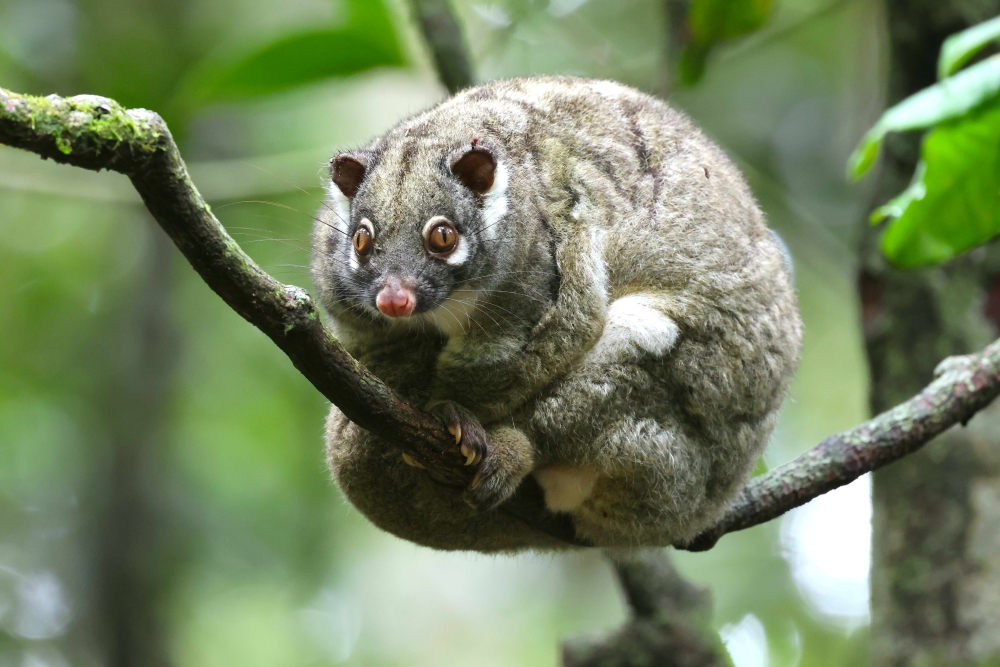
A green ringtail possum © Peter Valentine
Humpback whales
A study on the abundance of humpback whales in Hervey Bay, added to the LPI, estimated they were increasing by about 13.4% each year. From a low of 200 to 500 animals in 1962 (before the whaling ban), there are now between 50,000 to 60,000 humpbacks migrating to Australia’s east coast each year.
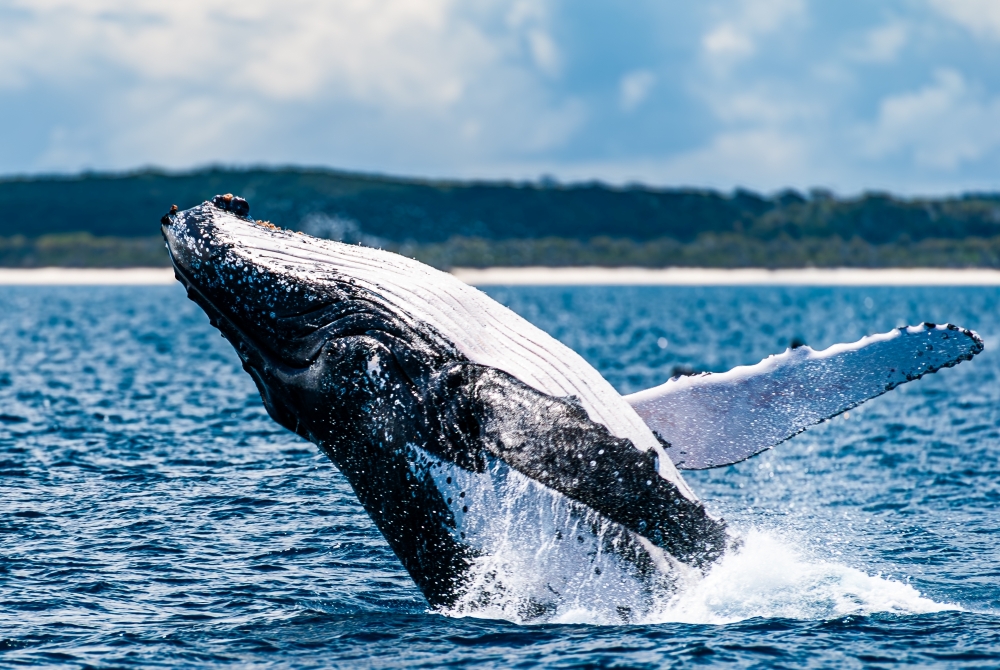
Humpback whale breaching in Hervey Bay © Matthew Facoory / Shutterstock / WWF-Aus
Species success stories:
Global wild tiger numbers increased by over 70% between 2010 and 2025 - a rise from an estimated 3,200 to around 5,700 individuals. Tiger recovery is a testament to what can be achieved through coordinated, long-term investment and collective action by governments, Indigenous Peoples, local communities, NGOs, donors and other partners. This includes national tiger recovery plans, intergovernmental commitments through the Global Tiger Initiative, professionalized ranger units, protected area expansion, cross-border anti-trafficking work, and demand reduction campaigns.
In the Asia Pacific region, Pacific bluefin tuna had collapsed to 2% of unfished levels and were classified as Vulnerable. By 2010, Atlantic bluefin tuna populations had fallen by 80% and the species was listed as Endangered. Nations and industry took decisive action to reverse the trend, with public campaigns for sustainably sourced fish, reductions in fishing quotas and increased monitoring. Today both have recovered to the point where neither is considered overfished or a species of major concern.
While African savannah elephants are declining across much of their range and remain Endangered overall, there are populations in southern Africa which, in some places, are increasing. Southern African countries have built legal frameworks that give local communities direct stakes in elephant stewardship through community-based natural resource management. These on-the ground efforts are reinforced by anti-trafficking work, judicial reform and reduced corruption.
From negative to positive tipping points
Three systems drive the destruction of nature: the food system is the leading cause of habitat loss, the energy system fuels climate change, while the finance system bankrolls harmful activities. Large, complex systems can be transformed for the better by creating the conditions to trigger positive tipping points.
The Living Planet Report includes research by the University of Exeter which finds that a positive tipping point can happen when a system crosses a threshold into a healthier state, and the change becomes self-reinforcing - getting faster, cheaper and harder to reverse.
- Energy: A positive tipping point has been passed in the energy sector and change is accelerating, with solar power now the cheapest source of new electricity generation in most countries. Despite this momentum, the energy transition is not yet happening fast enough, and progress varies significantly between countries and sectors.
- Food and agriculture: Positive change is underway and showing early signs of progressing toward a tipping point, with many people and organisations around the world working towards nature-positive production, promoting sustainable trade and consumption, encouraging healthy and sustainable diets, and reducing food loss and waste.
- Finance: The finance system is still in the early stages of building toward a tipping point, with the sector needing to work rapidly towards stopping the financing of harmful activities, valuing nature and climate as material risks, creating regulatory certainty, and closing an annual US$1.3 trillion biodiversity financing gap.
An opportunity for action
These systemic shifts can be achieved if countries focus on delivering the goals they have agreed to under the Kunming-Montreal Global Biodiversity Framework (KMGBF) and Paris Agreement. With UN conferences on biodiversity and climate taking place in the next two months, governments have a vital opportunity to accelerate the move from ambition to implementation.
Coming first is biodiversity COP17 starting on 19 October in Yerevan, Armenia. Achieving the 2030 biodiversity targets - including halting and reversing biodiversity loss - will require faster implementation, greater investment, stronger political leadership and deeper action across the whole economy and society. Transforming long-established systems will only be successful if the transition is fair and inclusive.
Contact details:
Mark Symons
Senior Media Officer, WWF-Australia
m 0400 985 571
- Images
-
Download
Gentoo penguins _ Penny Pascoe.JPG
Breeding pairs of gentoo penguins on Macquarie Island have declined by 50% © Penny Pascoe
