Snow Medical invests $24 million in three new research fellows, strengthening NSW's biomedical research leadership
UNSW Sydney
Media release
Snow Medical invests $24 million in three new research fellows, strengthening NSW’s biomedical research leadership
31/03/2026: The Snow Medical Research Foundation (Snow Medical) has announced a new $24 million investment in three outstanding Australian biomedical researchers through its prestigious Snow Fellowships.
The fellowships will support Dr Deborah Burnett from UNSW, Associate Professor Sudarshini Ramanathan from the University of Sydney, and Dr Ira Deveson from the Garvan Institute of Medical Research.
These Fellows will tackle major global health challenges spanning autoimmune disease, neurological disorders, and genetic disease. Their work addresses conditions that disproportionately affect vulnerable and underserved populations, including First Nations communities, while advancing precision medicine and translational care. Collectively, their research aims to deliver safer vaccines, better diagnostics, and more equitable genomic and neurological healthcare.
The investment further strengthens New South Wales as a global hub for biomedical research, bringing Snow Medical’s total investment in the state to $128 million, with $89.5 million committed in the past year alone.
Each Snow Medical Fellowship provides $8 million over eight years, enabling exceptional scientists to pursue ambitious long-term research programs, build world-class teams and tackle complex scientific challenges.
Chair of Snow Medical Research Foundation, Tom Snow, said the fellowships reflect the Snow family’s commitment to backing bold scientific ideas and supporting outstanding young researchers and clinicians.
“Our family believes some of the most important breakthroughs in science happen when talented researchers are given the confidence to pursue ambitious ideas over the long term,” Mr Snow said.
“These fellowships are designed to remove some of the constraints researchers often face, giving them the freedom, time and resources to take risks and explore ambitious questions that could fundamentally change how we understand and treat disease.”
“We are tremendously proud to support this high-calibre next generation of Australian scientific leaders and their teams and help build an environment where world-class research can thrive.”
“Great science requires courage, curiosity and persistence. By providing long-term support and also investing in the development of our Fellows and their teams, we’re helping create the conditions where truly innovative research can flourish.”
Snow Fellows are provided active scientific and leadership mentoring during their fellowship including executive and team coaching and a strategic development program. Through this work, the program builds the Fellows' management and leadership skills and instils a strategic and entrepreneurial mindset.
2026 Snow Fellowship recipients
Dr Deborah Burnett – UNSW
Dr Deborah Burnett is an immunology researcher working to improve vaccine effectiveness against infections that can trigger autoimmune disease.
“The Snow Fellowship will enable my team to develop new approaches to safer, more effective vaccines and therapies for infections that can trigger unintended autoimmune diseases, helping better protect vulnerable communities,” Dr Burnett said.
Associate Professor Sudarshini Ramanathan – University of Sydney
Associate Professor Sudarshini Ramanathan is a neurologist and clinician scientist whose work focuses on autoimmune neurological disorders. Her research has helped identify new neurological syndromes and improve diagnostic tools and treatments for patients with autoimmune diseases affecting the brain, spinal cord, muscles and nerves. Associate Professor Ramanathan’s work aims to reverse disabilities in these patients through the use of targeted therapies.
"The Snow Fellowship will enable our team to translate laboratory discoveries in autoimmune neurology into improved diagnostics and treatments, positioning Australia as a global leader in this rapidly evolving field. This fellowship provides an extraordinary opportunity to accelerate research that can transform the lives of people affected by devastating neurological diseases worldwide,” Associate Professor Ramanathan said.
Dr Ira Deveson – Garvan Institute of Medical Research
Dr Ira Deveson is a genomics researcher whose work focuses on developing and applying advanced genomic sequencing technologies to better understand human genetic diversity and improve diagnosis and treatment of inherited disease. His program is helping unravel the genetic diversity of Australia’s Indigenous populations to ensure equity in genomic medicine.
“I’m thrilled and humbled to be awarded a Snow Fellowship. It is a wonderful recognition for my team and will allow us to expand our research to a major national program, partnering with Indigenous communities around the country to build equitable genomics resources. This fellowship is a true gamechanger that will accelerate the delivery of genomic medicine,” Dr Deveson said.
Mr Snow said supporting exceptional researchers at pivotal points in their careers is central to the Foundation’s mission.
“These fellows represent the kind of creative forward-thinking scientists whose work has the potential to transform healthcare,” he said.
“Backing talented researchers and giving them the confidence to pursue ambitious science is one of the most powerful ways philanthropy can accelerate discovery.”
The 2026 Snow Fellowship application round opens on April 9th, 2026. For more information see www.snowmedical.org.au/snow-fellowship/about-our-fellowship.
ENDS
Media contacts
Snow Medical – Chris Wagner: 0434 378 939
UNSW – Larissa Baiocchi 0452 229 349
University of Sydney – Verity Leatherdale 0403 067 342
Garvan Institute of Medical Research – Dr Viviane Richter 0404 999 682
About the Snow Medical Foundation
The Snow Medical Foundation is at the forefront of philanthropic investment in biomedical research in Australia. With a commitment now totalling $299 million, Snow Medical supports the development of outstanding biomedical research leaders and their teams, driving innovation and excellence in healthcare solutions for the future.
Our 2026 Snow Fellows:
Dr Deborah Burnett
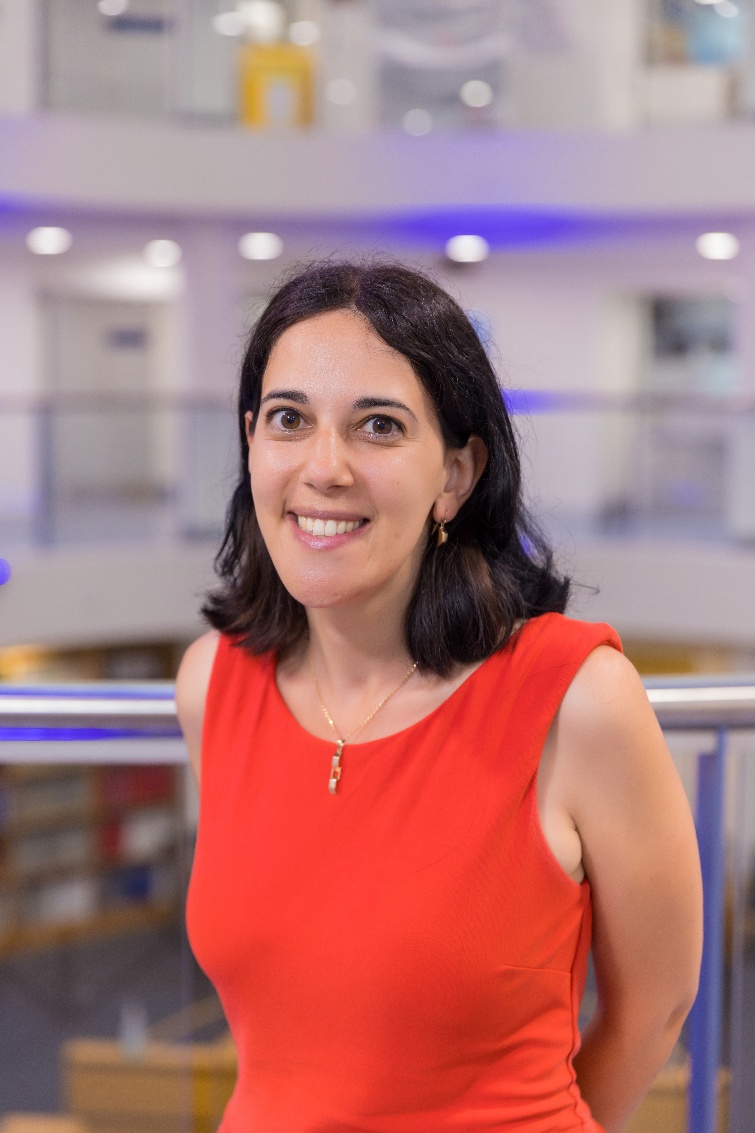
With the Snow Fellowship, Dr Burnett and her team will develop models to explore how self-reactive cells can be safely used in vaccine responses to prevent infection associated autoimmunity. Her research aims to identify novel therapies and further understand common drivers of autoimmunity.
Previous work by Dr Burnett has been recognised through receipt of the 2023 Early Career Researcher of the Year (Biological Sciences) in the NSW Premier’s Prizes for Science and Engineering, the 2023 L’Oréal-UNESCO For Women in Science Fellowship, a 2025 NSW Young Tall Poppy Award, and selection as a 2025 Marie Krough Young Woman in Science Finalist and a 2025 International Union of Immunological Societies Rising Star.
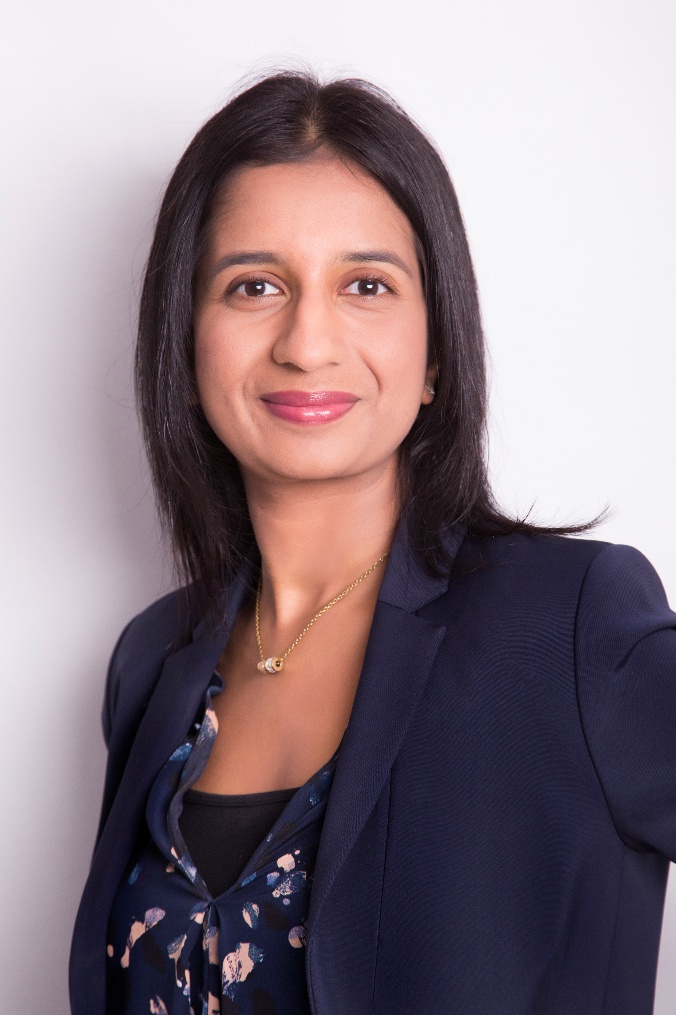
A/Prof Sudarshini Ramanathan is a neurologist and clinician scientist. She leads a basic science and clinical research program specialising in autoimmune neurological disorders, at the University of Sydney. As a neurologist, A/Prof Ramanathan is part of one of the largest national multidisciplinary neuroimmunology clinics, diagnosing and treating patients with autoimmune neurological disorders.
A/Prof Ramanathan’s research has resulted in recognition of novel neurological syndromes, including myelin oligodendrocyte glycoprotein antibody associated disease (MOGAD). Whilst this brain disease was once thought to be the same as multiple sclerosis, A/Prof Ramanathan’s work established MOGAD as a distinct demyelinating disorder and has helped identify unique treatments.
A/Prof Ramanathan’s work has further led to development of gold standard diagnostic assays and optimal therapies, now routinely used in the clinic. She is recognised as an international expert; she established and leads the Australian MOGAD study group and is on an international expert panel revising diagnostic criteria for key autoimmune neurological inflammatory disorders. She is the recipient of the 2022 Early Career Researcher of the Year (Biological Sciences) in the NSW Premier’s Prizes for Science and Engineering.
The 2026 Snow Fellowship will allow A/Prof Ramanathan to further uncover disease mechanisms in autoimmune brain injury and develop therapeutic guidelines for these neurological autoimmune disorders. Her work will also advance diagnostics through development of a global web-based diagnostic tool for clinicians for rapid accurate diagnosis of demyelinating disorders.
Dr Ira Deveson
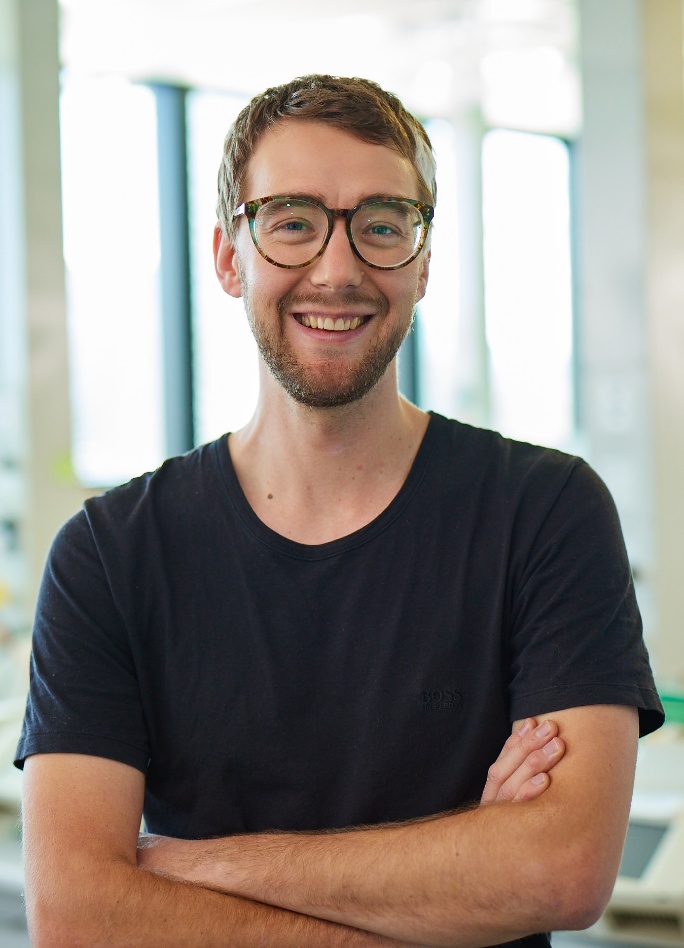
As one of Australia’s leading experts in long-read sequencing, a new technology allowing more complete sequencing of the human genome, Dr Deveson is at the forefront of clinical genetics. With the support of the 2026 Snow Fellowship, Dr Deveson will optimise new methods to help decode challenging and highly repetitive genetic regions, which may account for up to 50% of the genome. Dr Deveson and his team will also shed light on the rich and unique genetic diversity among Indigenous Australians, by engaging with communities, in partnership with the National Centre for Indigenous Genomics. These efforts will help develop more equitable genetic resources. This research program will additionally improve diagnosis, understanding and treatment of rare inherited disease and cancer.
Dr Deveson was the Early Career Researcher of the Year (Biological Sciences) in the 2024 NSW Premier’s Prizes for Science and Engineering, and recipient of the 2025 Australian Academy of Science Ruth Gani Medal for outstanding contributions to genetics. Dr Ira Deveson holds a conjoint appointment with UNSW Sydney.